
News — APP 1
APP 1 Clip vs Push-On Style Baskets
Posted by Pam Bialiy on

The following article has been authored by John Heaney. Push-on style baskets have been used for dissolution testing for quite a few years at this point. While they’re generally accepted as equivalent to the clip style baskets pictured in USP <711>, it’s important to be aware of the differences between the two designs. Both have some advantages and disadvantages depending on the method. The clip style is officially recognized in <711>, so there is never any debate as to whether the clip style baskets are acceptable for testing. Furthermore, all the wetted materials are 316 Stainless Steel, which is chemically...
Why should I use a Cannula Stopper for Manual Sampling?
Posted by Pam Bialiy on
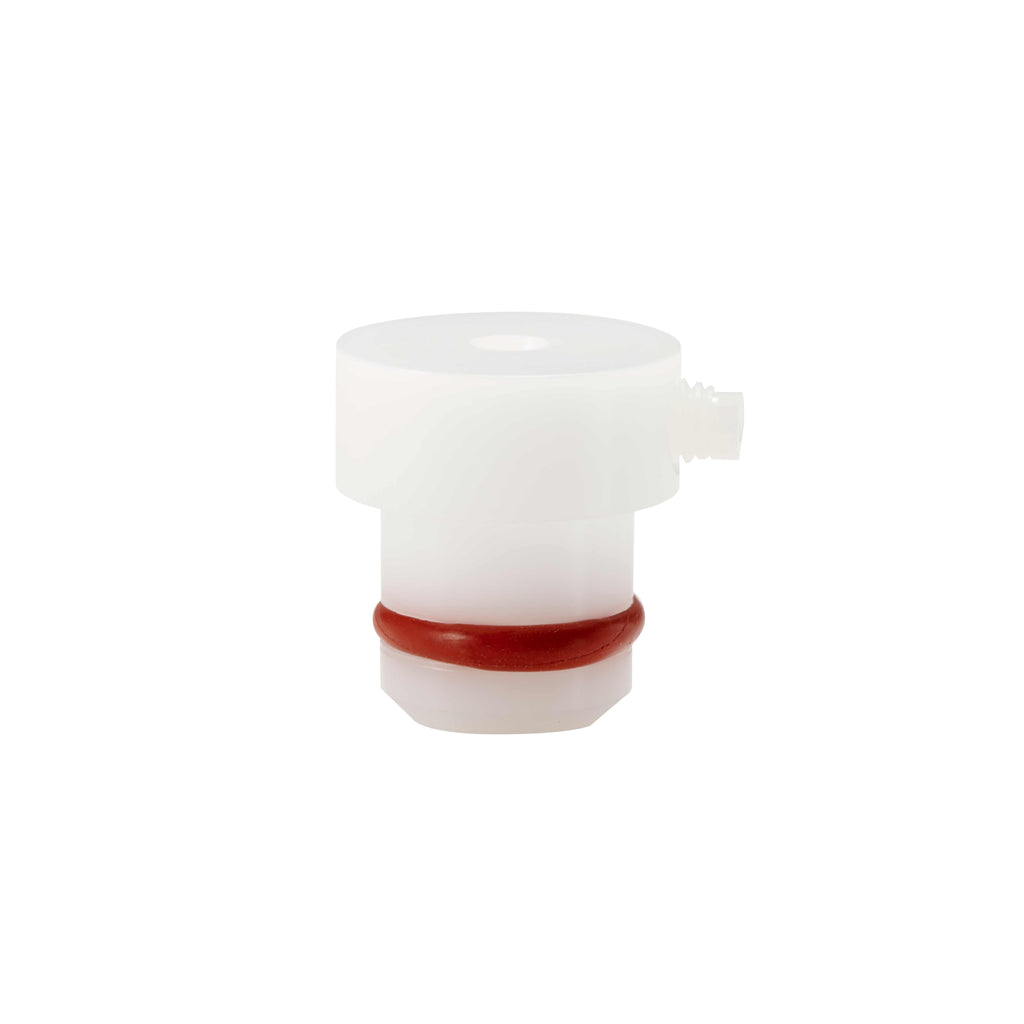
The following article has been authored by John Heaney. While automation is prevalent with dissolution testing, manual testing can and still should be done in certain circumstances. This can be when automation is too expensive, when the method is being developed and a certain amount of flexibility is needed, or when sample times are too short to be completed by automated systems. Manual sampling does offer significant flexibility but it also has some factors that need to be considered to ensure consistency. Sampling height is clearly defined in USP <711> as half-way between the top of the apparatus, be it...
Benefits of Sintered/Calendared vs Standard Mesh for APP 1
Posted by Pam Bialiy on
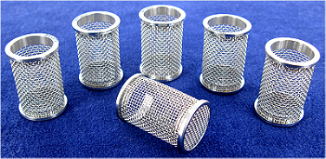
The following article has been authored by John Heaney. Calendared and sintered Stainless Steel (SS) mesh baskets are the norm for dissolution testing with good reason. This mesh provides several benefits to the basket that not just improves it but makes it usable in a lab in the first place. Calendared mesh is made by taking the SS wire mesh and passing the mesh between two rollers held at a specific distance from each other. The rollers press the high spots of the mesh, where the wires overlap, into the same height as the rest of the mesh. This results...
- Tags: APP 1, Apparatus 1, basket method, Calendared, Dissolution Baskets, Mesh, Sintering, SS Mesh