
News — Apex vessels
Causes and Mitigation for Coning in Dissolution Vessels
Posted by Pam Bialiy on

The following article has been authored by Chris Lewis. At times during dissolution testing, particularly with USP Apparatus 2 (paddle), a ‘cone’ can form in the bottom of a dissolution vessel. This ‘cone’ is the result of the accumulation of undissolved material, such as excipients or drug particles, directly beneath the stirring paddle. This occurs because the center of the vessel's hemispherical bottom is a hydrodynamic "dead zone" where hydrodynamic shear forces are too low to lift the particles which allow gravity to settle them in a cone shape. Key Causes of Coning • Low Hydrodynamic Activity (Dead Zone): The...
Why use Apex Vessels?
Posted by Pam Bialiy on
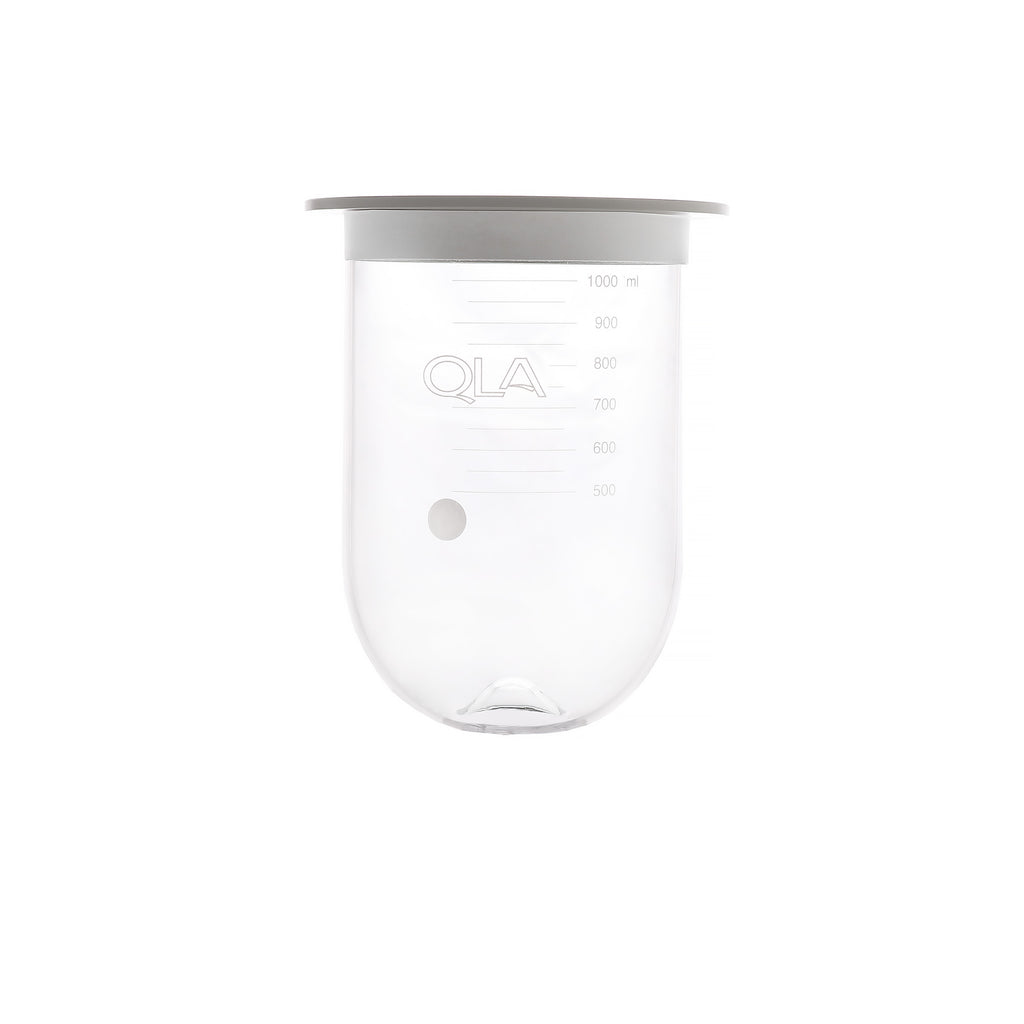
The following article has been authored by John Heaney. Coning of disintegrating dosage forms is fairly common when using Apparatus 2 (Paddles) to perform dissolution testing. The reason for this is the spinning of the paddle causes a cone shaped zone to form directly beneath it where there is low hydrodynamic activity. In other words, it’s a bit of a dead zone where the stirring has little effect, and the particles are allowed to settle. Depending on the formulation this coning can be problematic. It can prevent drug from dissolving in the media due to a reduction in the effective...