
News — Capsule Sinkers
Use and Care of PTFE-Coated Dissolution Accessories
Posted by Pam Bialiy on

Polytetrafluoroethylene (PTFE) coatings are frequently used on Dissolution bath accessories. Many individual monographs specify this coating on Sinkers, Baskets, Paddles and Vessel interiors. The coating on the accessories can, over time, develop chips or scratches that can expose the substrate to corrosion and affect the results of the test. Technicians handling these coated parts should be familiar with the following guidelines to help extend their service life. Parts with corrosion should be removed from service. Handling The PTFE coatings are applied at the factory in order to maximize adhesion and durability. The coating, however, is susceptible to chipping and scratching...
How to Choose a Sinker
Posted by Pam Bialiy on
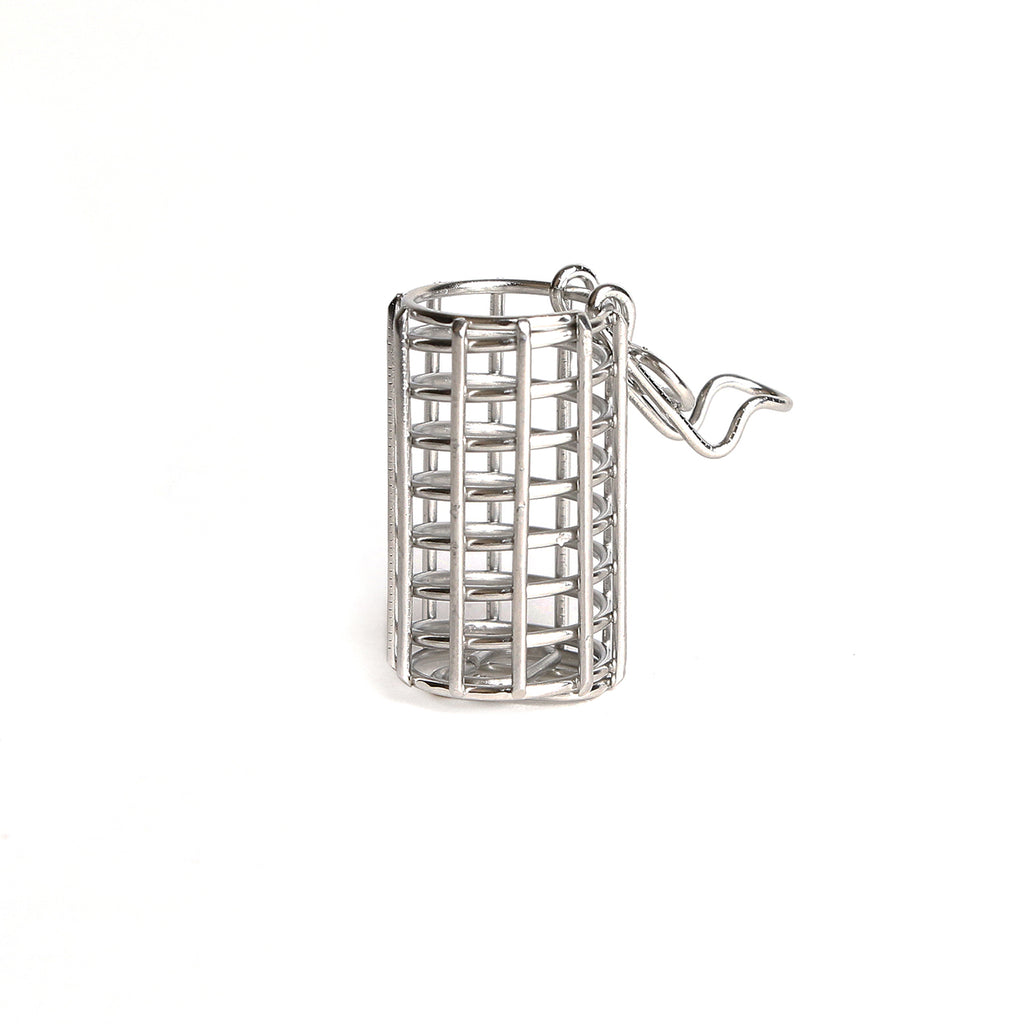
The following article has been authored by John Heaney. While determining if a sinker is needed is easy; determining what type of sinker needed may be less obvious. USP <711> does allow for sinkers made from twists of inert wire. This can be especially handy for R&D where the method is being developed and an experiment is being run to see if the sinkers provide more consistency to the results. For use in other environments, such as QC, it would require the users to be trained on the correct length of inert wire to cut, as well as the spacing...
When to use a Sinker
Posted by Pam Bialiy on
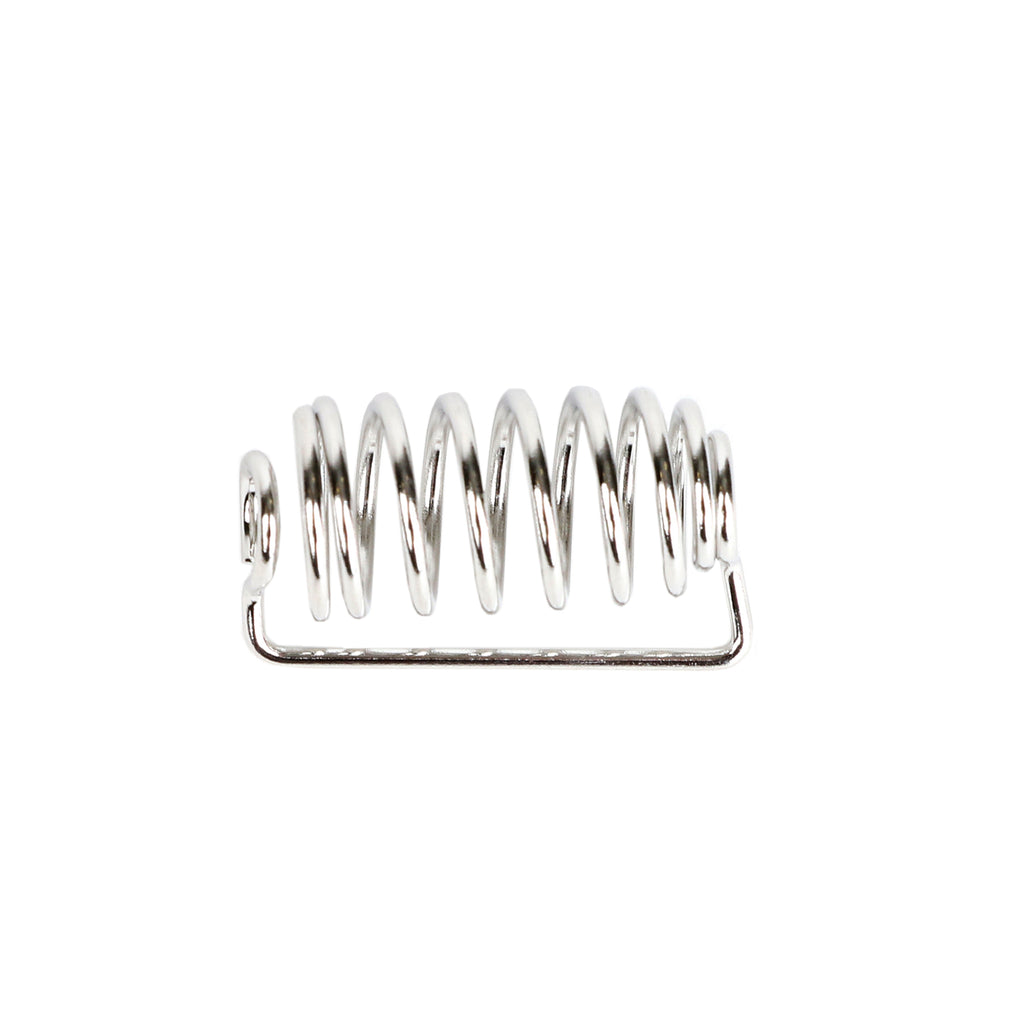
The following article has been authored by John Heaney. Not all tablets, capsules, and gelcaps behave the same in dissolution media. In some cases, a dosage may be buoyant enough to move far more than normal when subjected to the turbulence caused by a paddle (Apparatus 2) if not float all the way to the surface. Either of these would be considered unacceptable if they were observed during a test. The case of a dosage form floating to the surface is obvious. It’s far out of position from the bottom of the dissolution vessel and is not subject to the...
Cleaning Stainless Steel
Posted by Pam Bialiy on
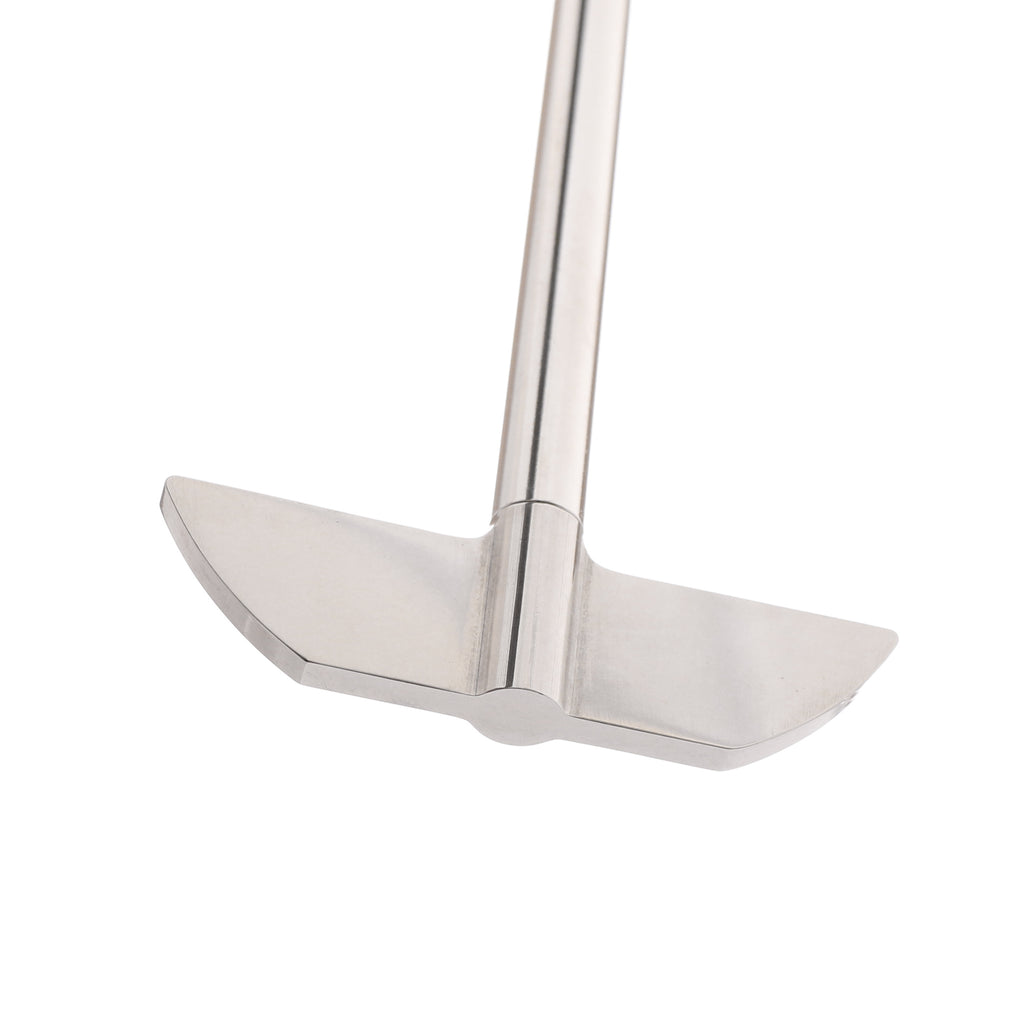
The following article has been authored by John Heaney. Dissolution components are often made of 316 Stainless Steel (316 SS) or equivalent as it is a material specified in USP <711> for the construction of both Apparatus 1 (Baskets) and Apparatus 2 (Paddles). 316 SS has a reputation for being impervious to corrosion but that is not the case as it is merely resistant to corrosion. It requires care and maintenance just like any other item in the lab. 316 SS’s corrosion resistance is due to the inclusion of additional Molybdenum to the mixture for the steel. This means compared...