
News
Impact of Deaeration on Dissolution
Posted by Pam Bialiy on
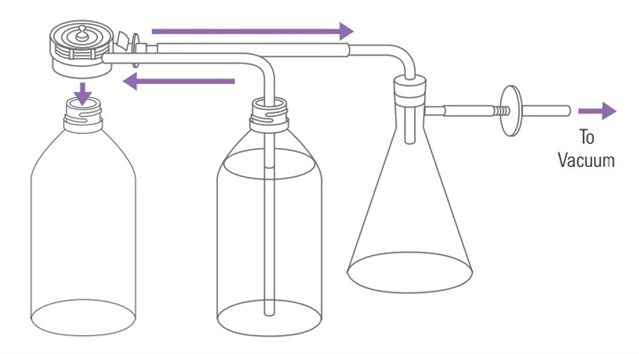
The following article has been authored by John Heaney. Deaeration, or degassing, of dissolution media is not required for every dissolution method, but when it is required it is critically important. The USP Prednisone PVT requires deaeration of the dissolution media and the tablet is formulated to show whether or not the deaeration method is adequate. Deaeration tends to have a larger impact on dissolution results as compared to other factors regarding the dissolution test. How this shows itself can change depending both on the apparatus, and the dosage being tested. How to deaerate is largely up to the...
APP 5 vs APP 6- which should I use?
Posted by Pam Bialiy on
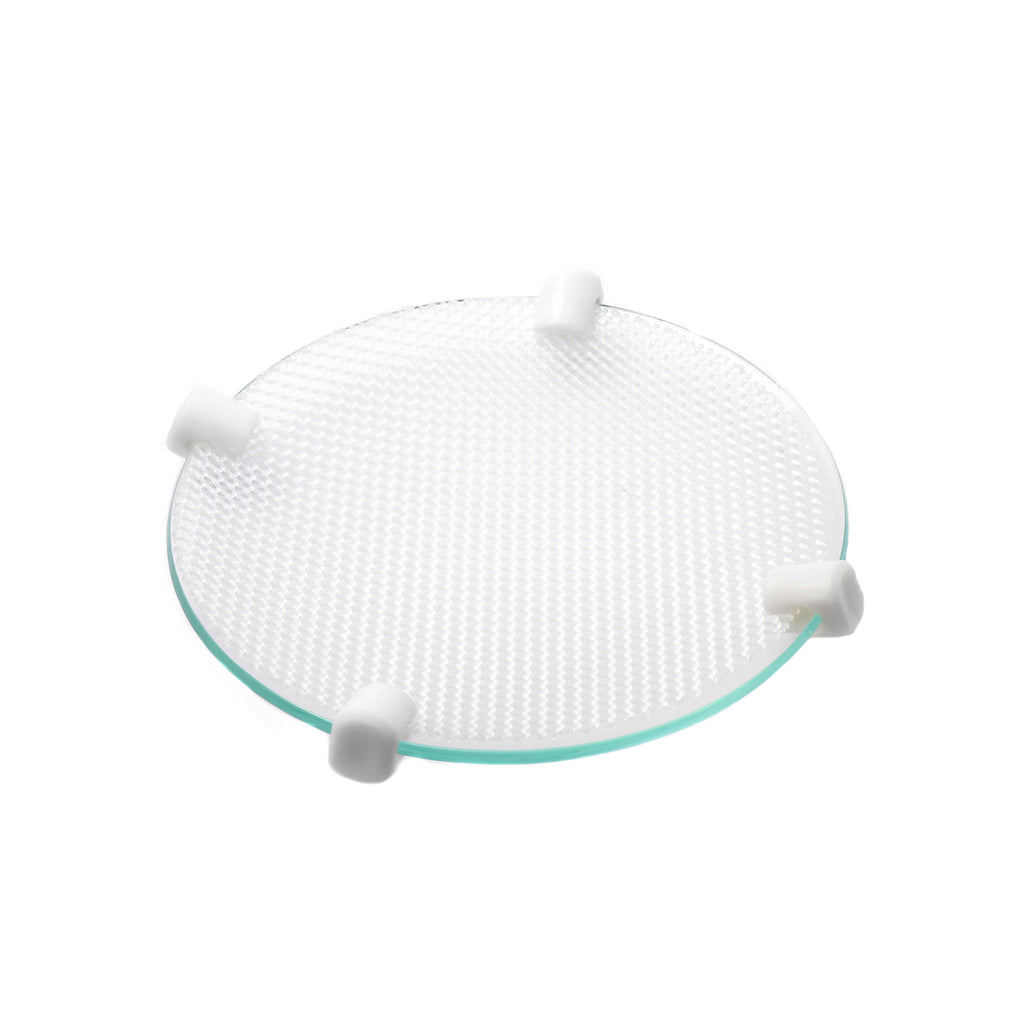
The following article has been authored by John Heaney. Transdermal systems, or TDS, are often patches which when placed on the skin will deliver a drug over an extended period of time. Like any drug product, these need to be tested to ensure they are providing therapeutic benefit to the patients. In many cases, the best way to do this is performing a dissolution test using Apparatus 5, paddle over disk or watch glass, or Apparatus 6, the rotating cylinder. TDS are typically affixed to the apparatus using cellophane tape on the back (the part visible when the patch is...
Hydrodynamic Effects of Resident vs Manual Probes/Cannula
Posted by Pam Bialiy on
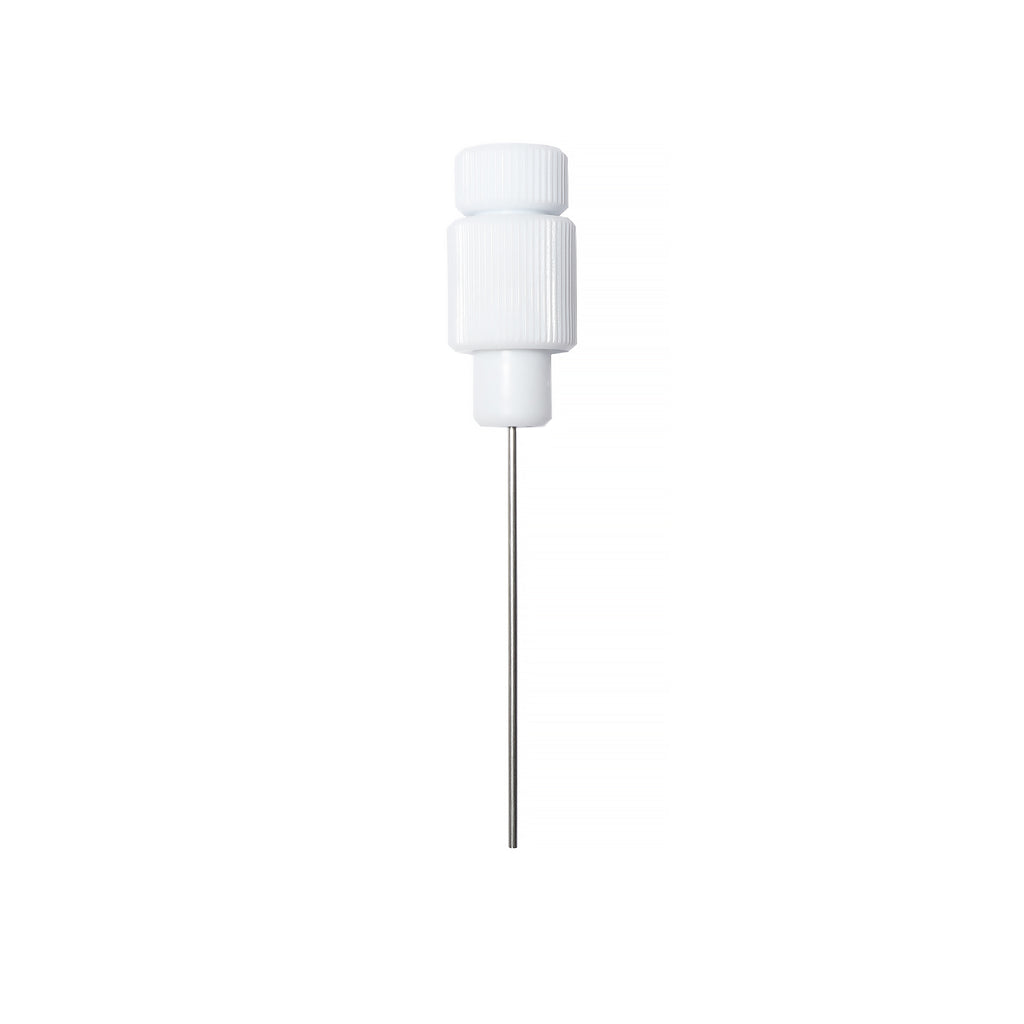
The following article has been authored by John Heaney. Does the presence of a resident sampling probe affect the hydrodynamics of a dissolution vessel? Yes, yes it does. The more important questions are how strong is the change in the hydrodynamics and is it strong enough to affect testing? USP <1092>, an advisory chapter addresses this directly with: Sampling probes may or may not remain in the vessel throughout the entire run. Sampling probes or fiber-optic probes can disturb the hydrodynamics of the vessel; therefore, adequate validation should be performed to ensure that the probes are not causing a significant...
Why use Apex Vessels?
Posted by Pam Bialiy on
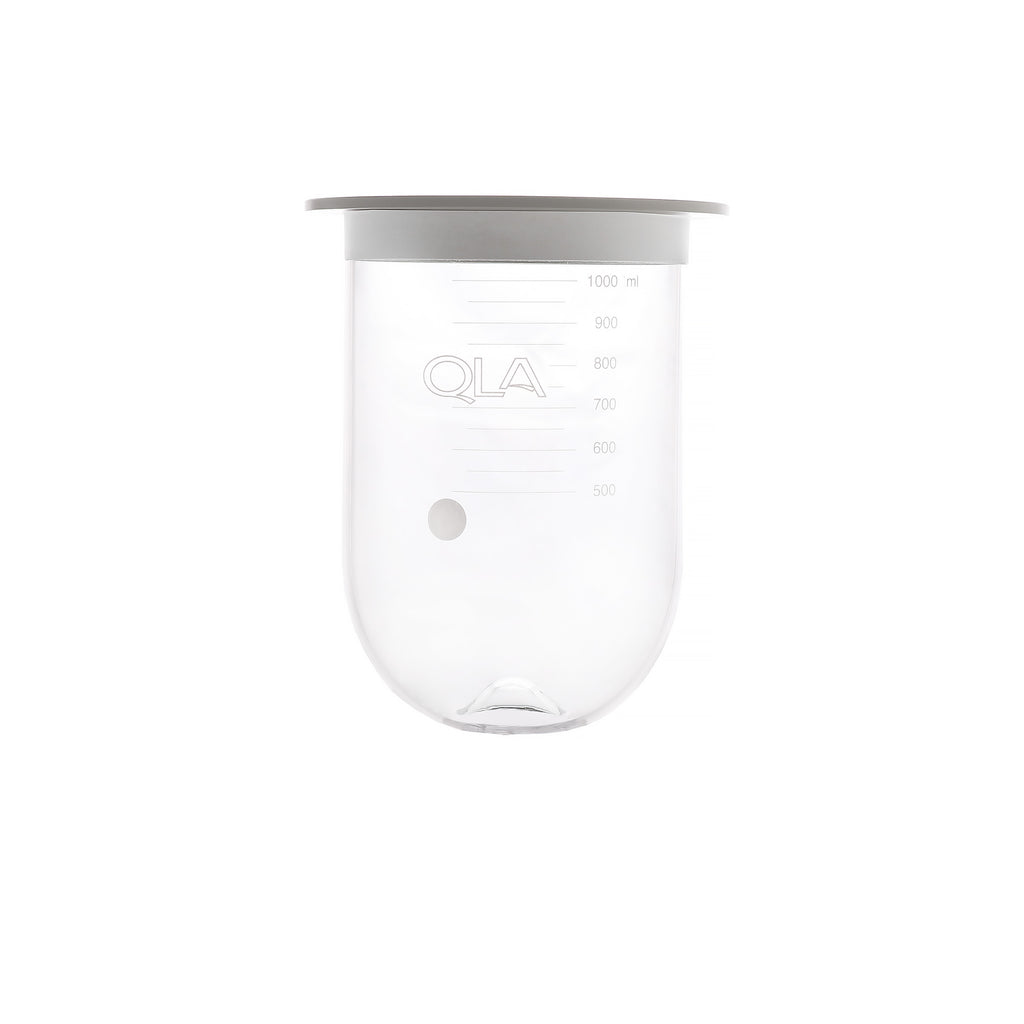
The following article has been authored by John Heaney. Coning of disintegrating dosage forms is fairly common when using Apparatus 2 (Paddles) to perform dissolution testing. The reason for this is the spinning of the paddle causes a cone shaped zone to form directly beneath it where there is low hydrodynamic activity. In other words, it’s a bit of a dead zone where the stirring has little effect, and the particles are allowed to settle. Depending on the formulation this coning can be problematic. It can prevent drug from dissolving in the media due to a reduction in the effective...
Thoughts on Small Volume Dissolution
Posted by Pam Bialiy on
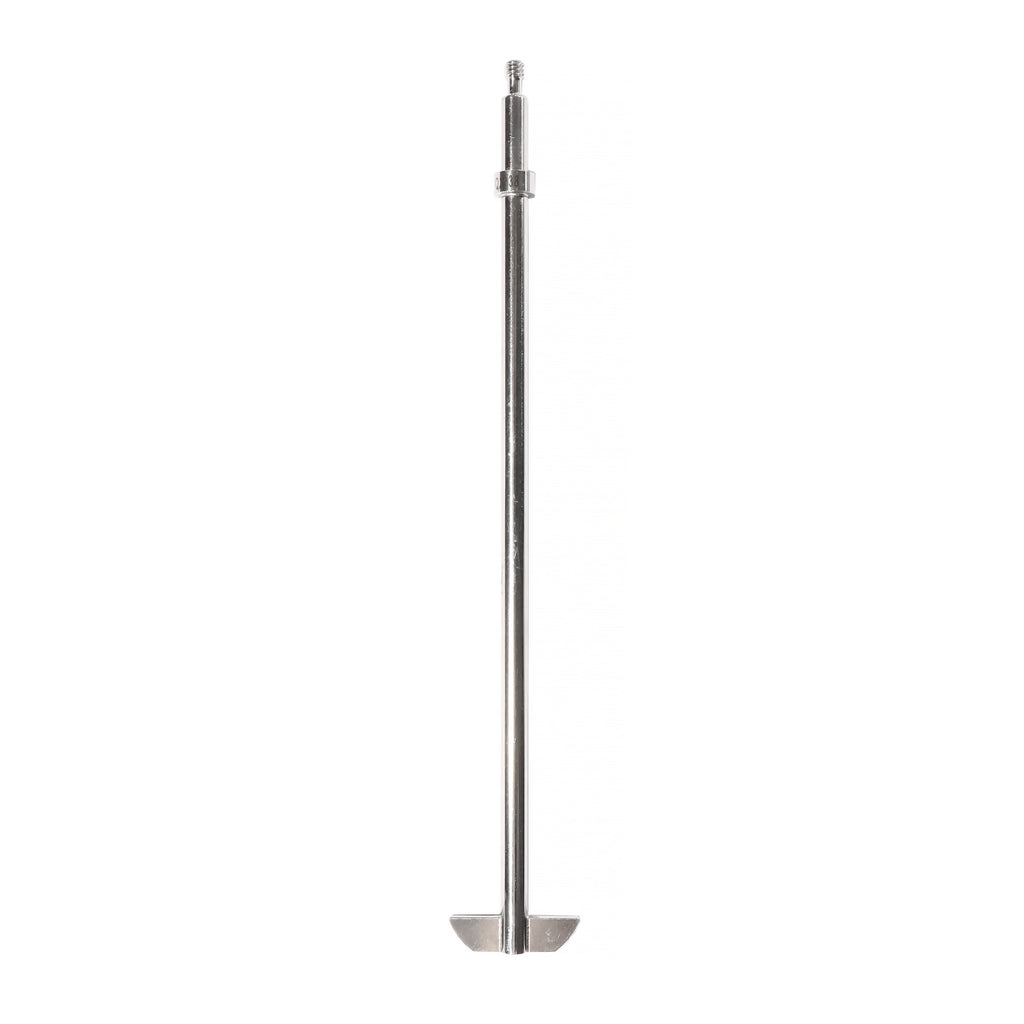
The following article has been authored by John Heaney. Compared to the rest of dissolution testing, small volume dissolution is in a bit of a strange position within the industry. The bulk of dissolution testing is set around well-defined apparatus with specific dimensional tolerances and a 1 L glass vessel with a hemispherical bottom. Small volume dissolution can vary widely, the main commonality being that the maximum capacity of the vessels is significantly smaller than 1 L. The first question one may ask is why do small volume dissolution at all? As pharmaceutical technology improves, with better chemistry and things...