
News — dissolution
Choosing the Right Filtration Strategy for Automated Dissolution Testing
Posted by Pam Bialiy on
Sample filtration is a critical part of dissolution testing, yet there is no universal solution that works for every application. The most effective filtration approach depends on the specific analytical method, sample properties, and filter characteristics involved. Each method should be evaluated individually to ensure optimal performance and reliable results. For established methods that already specify a particular filter type or micron rating, there may be little flexibility in filter selection. However, when developing new methods, a successful filtration strategy should be based on three key considerations: 1. Analytical Method Requirements The analytical technique being used—typically UV spectroscopy or HPLC—plays...
What is Intrinsic Dissolution and why is it important?
Posted by Pam Bialiy on

The following article has been authored by John Heaney. Intrinsic dissolution is a specific niche of dissolution testing often reserved for early R&D. The purpose is to provide scientists with an idea of the solubility of the API they’re studying. This data can be invaluable as it will help determine the excipients required to develop an oral dosage form. There are 2 types of methods for this. The first is a Rotating Disk (often called the Wood’s Apparatus) and the second is Stationary Disk. In both cases a pellet of the pure drug is pressed into a drug compact...
Why should I use a Cannula Stopper for Manual Sampling?
Posted by Pam Bialiy on
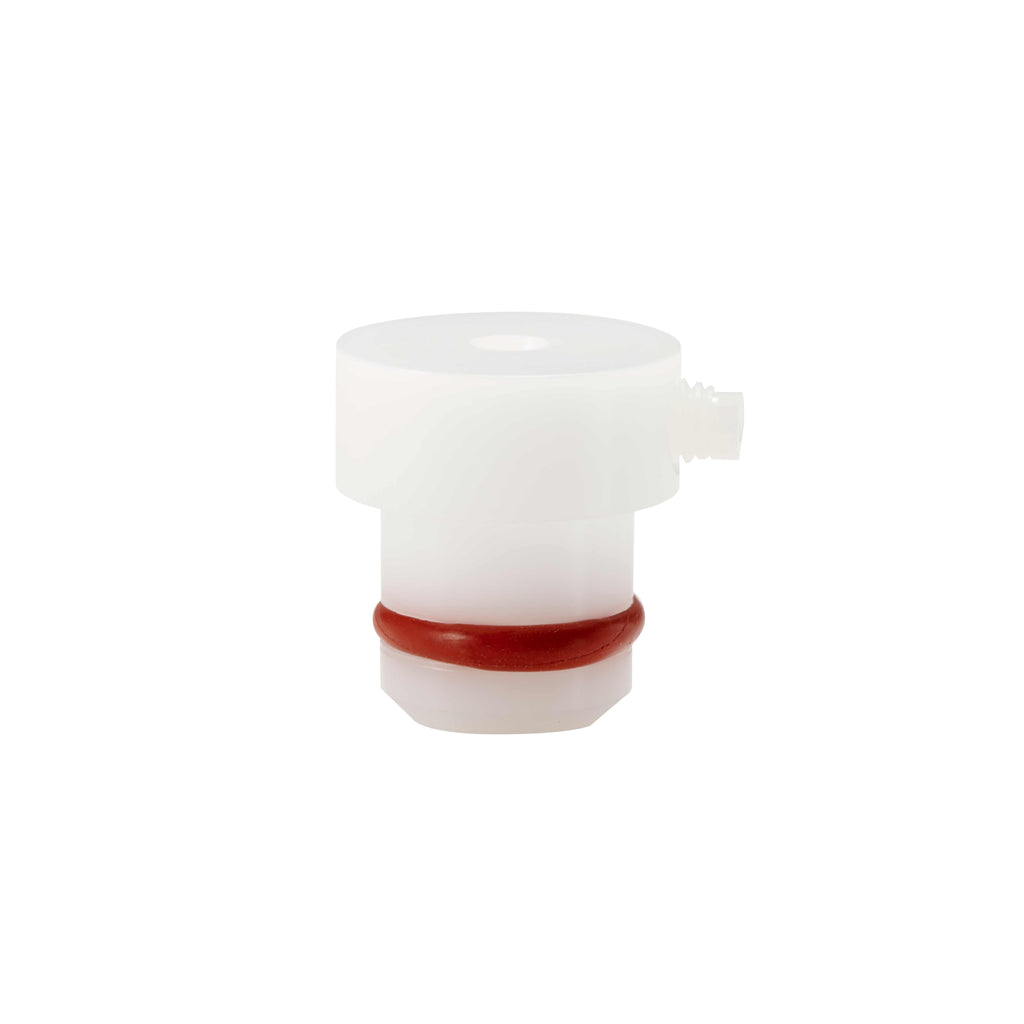
The following article has been authored by John Heaney. While automation is prevalent with dissolution testing, manual testing can and still should be done in certain circumstances. This can be when automation is too expensive, when the method is being developed and a certain amount of flexibility is needed, or when sample times are too short to be completed by automated systems. Manual sampling does offer significant flexibility but it also has some factors that need to be considered to ensure consistency. Sampling height is clearly defined in USP <711> as half-way between the top of the apparatus, be it...
Why should I use APP 3: Biodissolution?
Posted by Pam Bialiy on
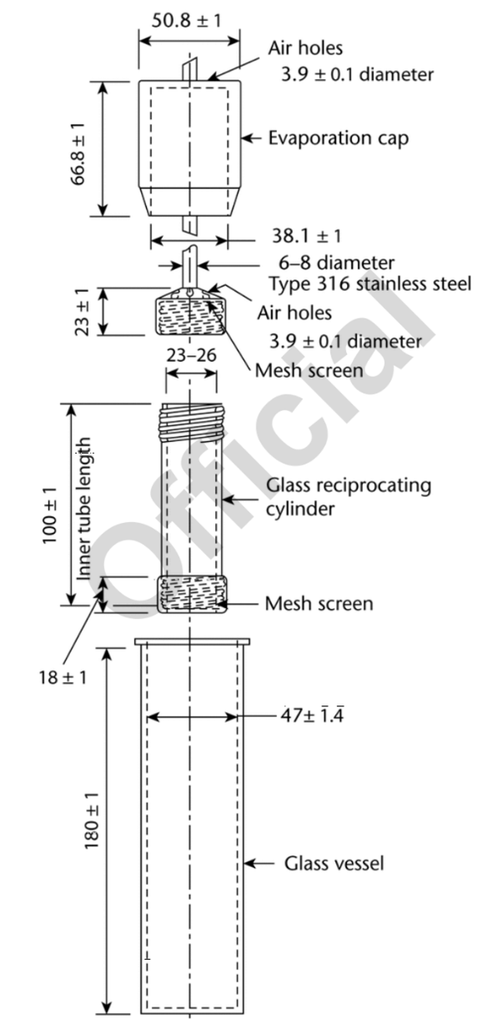
The following article has been authored by John Heaney. Compared to dissolution Apparatus 1 (Baskets) and Apparatus 2 (Paddles), Dissolution Apparatus 3: Biodissolution (the reciprocating cylinder) is quite rare. However, it has some key advantages over the more common baskets and paddles which can make it very useful for key applications. Apparatus 3 consists of a glass cylinder with a mesh screen at the bottom moving up and down in a specified distance and rate within a glass dissolution vessel. The dosage form is held within the glass cylinder. Vessels are typically arranged in rows allowing the glass cylinder...
Impact of Deaeration on Dissolution
Posted by Pam Bialiy on
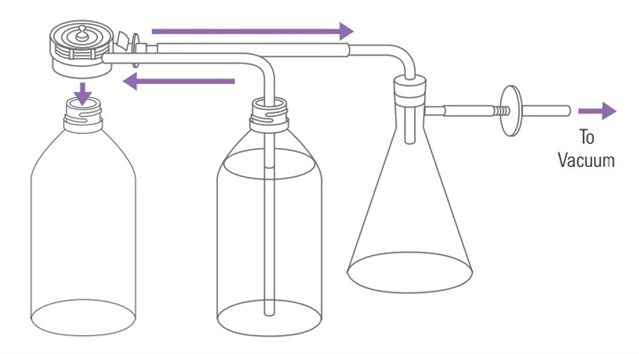
The following article has been authored by John Heaney. Deaeration, or degassing, of dissolution media is not required for every dissolution method, but when it is required it is critically important. The USP Prednisone PVT requires deaeration of the dissolution media and the tablet is formulated to show whether or not the deaeration method is adequate. Deaeration tends to have a larger impact on dissolution results as compared to other factors regarding the dissolution test. How this shows itself can change depending both on the apparatus, and the dosage being tested. How to deaerate is largely up to the...